The Digital Blueprint: How 3D Modeling Services Streamline the Product Development Lifecycle Today companies face immense pressure to innovate rapidly, reduce costs, and accelerate time-to-market while maintaining impeccable quality. Traditional product development workflows, often reliant on lengthy physical prototyping and sequential hand-offs, can be slow, expensive, and prone to errors. This is where 3D Modeling Services emerge as a transformative force, acting as the digital blueprint that fundamentally streamlines the entire product development lifecycle. By creating precise, versatile, and highly visual digital representations of products, 3D Modeling Services empower designers, engineers, marketers, and manufacturers to collaborate more effectively, iterate faster, and make more informed decisions at every stage, ultimately leading to superior products launched with greater efficiency. The Traditional Bottlenecks in Product Development Before delving into the solutions offered...
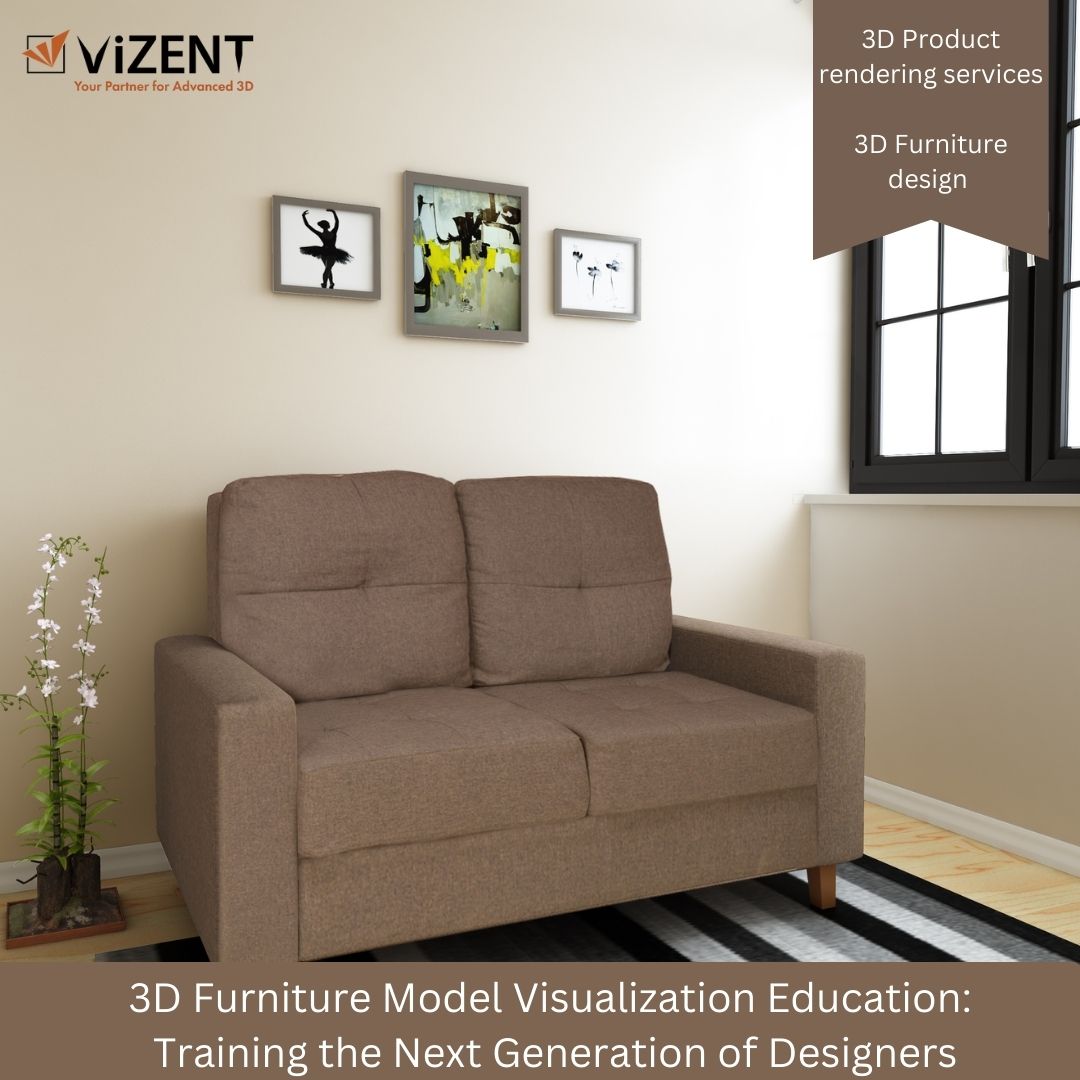
3D Product Rendering Services Redefine Brand Identity
In today's visually driven world, a brand's identity is often defined by how effectively it communicates its vision through imagery. Gone are the days when traditional photographs and sketches sufficed. Now, 3D product rendering services are leading the charge, offering brands the tools to redefine their identity and leave a lasting impression. This cutting-edge technology has transformed industries ranging from furniture design to consumer products, bridging the gap between imagination and reality. Let’s explore how 3D product rendering services are shaping the future of brand representation.
The Rise of 3D Product Rendering Services
At its core, 3D product rendering involves creating photorealistic images of a product using computer software. This technology enables brands to visualize their concepts in a way that’s not only detailed but also versatile. Unlike traditional photography, 3D rendering allows for complete control over lighting, texture, and composition, making it easier to craft visuals that resonate with target audiences.
For industries like 3D furniture design, this technology has become indispensable. Designers can showcase intricate 3D furniture models, demonstrating the texture of wood, the sheen of metal, or the softness of upholstery with lifelike accuracy. The ability to present these details convincingly is critical for building trust and engagement with customers.
Strengthening Brand Identity with 3D Product Visualization
1. Enhanced Storytelling
3D product visualization empowers brands to tell compelling stories through their visuals. Whether it’s a sleek piece of furniture or a high-tech gadget, these renderings allow brands to showcase their products in aspirational settings. For example, a 3D furniture design company can create a luxurious living room scene featuring their latest collection, offering customers a glimpse into how these pieces might enhance their own homes.
2. Cost-Effective Prototyping
Incorporating 3D product rendering services into the design process eliminates the need for multiple physical prototypes. Brands can refine their concepts digitally, saving time and money while reducing material waste. This streamlined approach is particularly beneficial for startups and small businesses looking to establish their brand without stretching their budget.
3. Flexibility and Customization
With 3D rendering, customization becomes effortless. Brands can present variations of a product, such as different colors, finishes, or sizes, without the need for separate photoshoots. For instance, showcasing multiple 3D furniture models in various styles allows customers to explore options tailored to their preferences, enhancing their buying experience.
3D Furniture Models: The Backbone of Modern Design
In the world of furniture design, 3D furniture models have revolutionized the way products are conceptualized and marketed. By creating highly detailed and accurate digital representations, designers can:
Experiment with innovative designs before committing to production.
Collaborate with manufacturers to ensure precision in the final product.
Present their creations to clients in a format that’s both engaging and easy to understand.
Moreover, these models can be integrated into augmented reality (AR) applications, allowing customers to visualize how a piece of furniture would look in their space before making a purchase. This immersive experience not only boosts customer confidence but also strengthens the brand’s reputation for innovation.
Conclusion
From concept to execution, 3D product rendering services are transforming the way brands establish their identity. By leveraging tools like 3D furniture models and advanced visualization techniques, businesses can create compelling narratives, streamline production, and offer unparalleled customization. As the demand for high-quality, engaging visuals continues to grow, embracing 3D product rendering is no longer an option—it’s a necessity.
Whether you’re a designer, marketer, or entrepreneur, integrating 3D product visualization into your strategy is a powerful step towards redefining your brand and capturing the imagination of your audience. In this digital age, the journey from idea to icon begins with a pixel-perfect render.
Comments
Post a Comment