The Digital Blueprint: How 3D Modeling Services Streamline the Product Development Lifecycle Today companies face immense pressure to innovate rapidly, reduce costs, and accelerate time-to-market while maintaining impeccable quality. Traditional product development workflows, often reliant on lengthy physical prototyping and sequential hand-offs, can be slow, expensive, and prone to errors. This is where 3D Modeling Services emerge as a transformative force, acting as the digital blueprint that fundamentally streamlines the entire product development lifecycle. By creating precise, versatile, and highly visual digital representations of products, 3D Modeling Services empower designers, engineers, marketers, and manufacturers to collaborate more effectively, iterate faster, and make more informed decisions at every stage, ultimately leading to superior products launched with greater efficiency. The Traditional Bottlenecks in Product Development Before delving into the solutions offered...
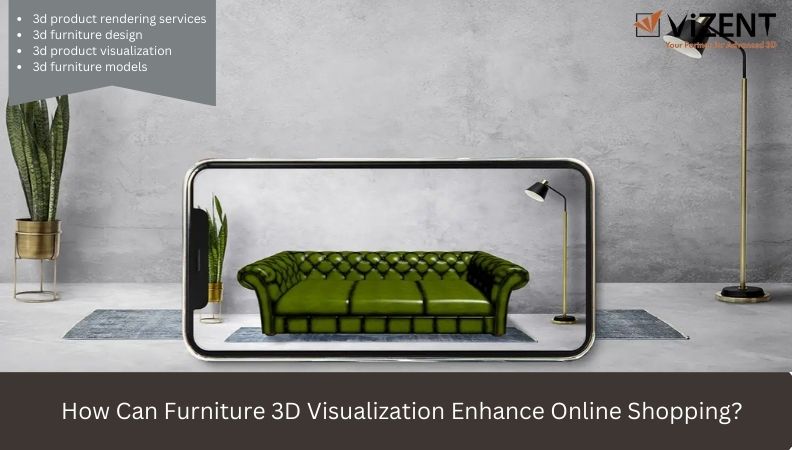
Improve Online Furniture Shopping Experiences
The emergence of e-commerce has changed how consumers purchase furniture. The inability to physically view and feel items before making a purchase, however, is one of the main drawbacks of online furniture shopping. With its realistic and interactive furniture renderings, 3D visualization has become a game-changer. Brands may boost sales, decrease returns, and improve consumer engagement by utilizing 3D product rendering services. Here are some ways that online furniture shopping is being enhanced by 3D visualization.
1. Using 3D product rendering services to represent products realistically
Conventional product photos frequently fall short of capturing the genuine spirit of a piece of furniture, which makes buyers hesitant. High-quality, photorealistic images that highlight every detail, from material textures to lighting effects, are produced by 3D product rendering services. Customers are more confident in their purchasing selections when they have a better idea of the product's attractiveness thanks to these representations.
2. 3D Furniture Design Customization and Personalization
Online buyers frequently search for furnishings that go well with their interior design. Customers can choose from a variety of colors, textiles, and finishes when designing furniture using 3d furniture design can see how the furniture would appear in their room thanks to this degree of personalization, which makes the purchasing process more enjoyable.
3. 3D Product Visualization and Interactive Shopping
When it comes to demonstrating functionality, static graphics and product descriptions are limited. Customers can virtually interact with furniture thanks to 3D product visualization. By allowing consumers to examine the furniture from all sides, features like 360-degree product views, zoom capabilities, and animations help them make well-informed selections before making a purchase.
4. Improved Space Design Using 3D Furniture Models
Whether the furniture will fit in their home is one of the main worries for those who purchase it online. Customers can use augmented reality (AR) to place virtual furniture in their spaces by employing 3D furniture models. This technology lessens the possibility of returns because of sizing concerns by assisting consumers in visualizing the furniture's size, proportion, and fit within their home.
5. Higher Sales and Fewer Returns
3D technology greatly lowers the number of product returns brought on by inflated expectations thanks to its improved visibility and customization possibilities. Customers are less likely to be dissatisfied with the furniture when they see a realistic portrayal of it. For online furniture sellers, this results in improved conversion rates, favorable reviews, and happier customers.
In conclusion
Online furniture shopping is being revolutionized by 3D visualization, which offers an engaging and dynamic experience. Retailers may provide realistic, adaptable, and captivating shopping experiences by utilizing 3D furniture design, 3D product rendering services, and 3D product visualization. As technology develops, firms hoping to differentiate themselves in the cutthroat online furniture market will need to incorporate 3D furniture models into their e-commerce platforms.
Read More :-
How Can Furniture 3D Visualization Enhance Online Shopping?
How Can 3D Rendering Help in Designing of 3D Furniture Visualization?
What are the Key Software and Tools Used in Architectural 3D Visualization?
What is Furniture 3D Visualization And how It Helps In Transforming Interior Design?
Fairy Tales
ReplyDeleteKralmod Game
Premier League
La Liga Scores
What Is Encyclopedia
Cricket News
Hantec
Who Is Guide